Beneath the Wage
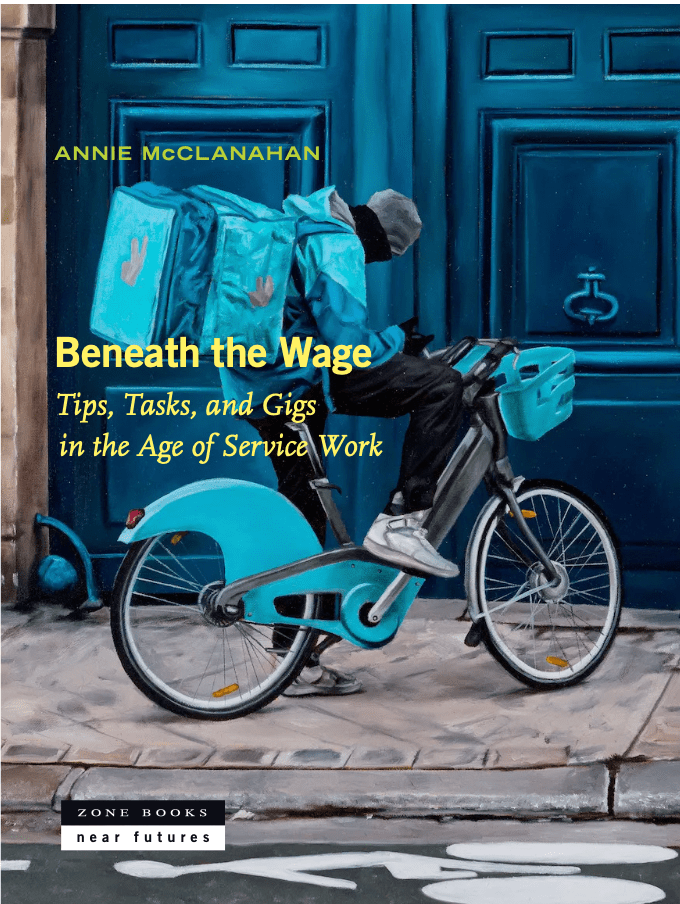
“Beneath the Wage is an invaluable contribution to our understanding of the evolving forms of labor exploitation and workers’ resistance. Annie McClanahan doesn’t just offer a vital historical account of how we came to pay workers in tips or by the task. Her book also illuminates the political and cultural landscape of contemporary service worker activism.”
–Saru Jayaraman, President, One Fair Wage
“An outstanding contribution to humanities scholarship as well as to the social sciences, Beneath the Wage…giv[es] us nothing less than a new theory of wages and of the tie between wage and class forms. … [I]t is no exaggeration to say that Beneath the Wage is the first book of its kind.”
–Sianne Ngai, George M. Pullman Distinguished Service Professor of English, University of Chicago
“Beneath the Wage is a brilliant exploration of what work and resistance have become in a digitally transformed service economy. … McClanahan reminds us (in beautifully crafted prose, no less) that although service work (driving, clicking, sexing, and teaching) has been restructured, the exploitative formations of and resistance to wage labor remain.”
-Veena Dubal, Professor of Law, University of California/Irvine
Dead Pledges
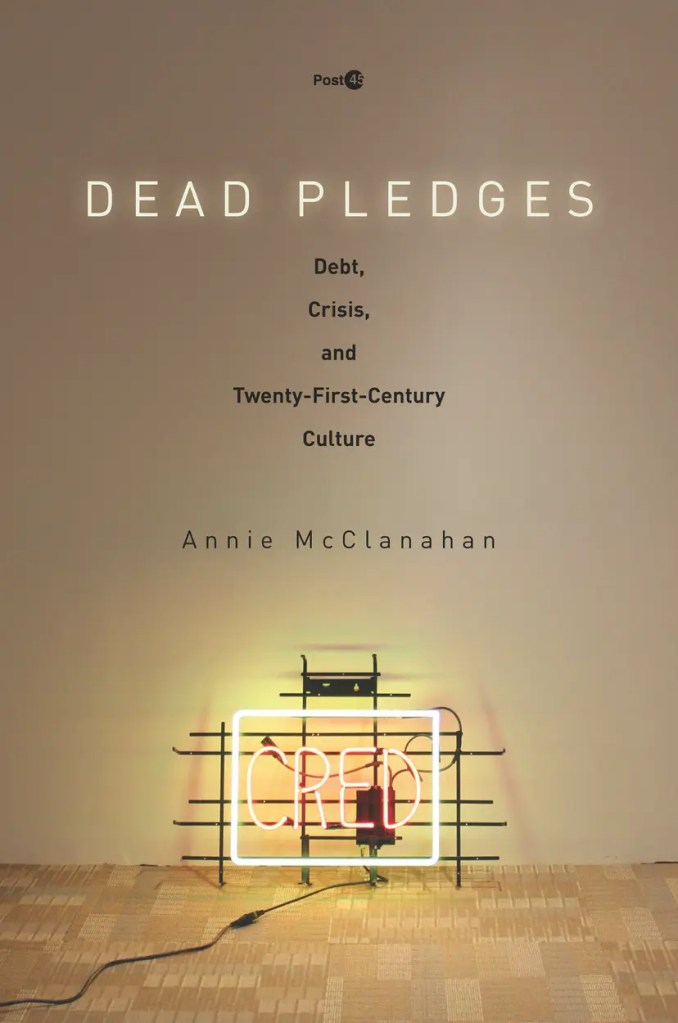
“In a series of nuanced yet militant readings, McClanahan makes an incisive case for the centrality of the political economy of debt to contemporary art, culture, and politics.”
—Alberto Toscano, Goldsmiths, University of London
“Dead Pledges offers an exemplary demonstration of how literary and cultural analysis can address urgent social and political problems.
—Richard Dienst, Rutgers University
“Dead Pledges illuminates the forms of structural coercion and social violence that accumulate around us, like wreckage no longer blown forward by any wind of progress.”
—Brian Whitener, The New Inquiry
“Dead Pledges stands out among recent criticism for its cogent description of the culture produced by our deregulated, financialized economy…We need more books like this one.”
—David Hawkes, Times Literary Supplement
 Annie McClanahan